AUTHOR OF MY BLISS BOOK & THE ESSENTIAL GUIDE TO TRAUMA SENSITIVE YOGA

Lara Land New Logo 2022

AUTHOR OF MY BLISS BOOK &
THE ESSENTIAL GUIDE TO TRAUMA SENSITIVE YOGA

Lara Land New Logo 2022
Breaking the Circuit: The Transformative Work of Dr. Samantha Harte

Breaking the Circuit: The Transformative Work of Dr. Samantha Harte

Trauma has a way of shaping lives in profound and often invisible ways. It rewires our brains, influences our behaviors, and impacts how we connect with others.

But what if there were a way to “break the circuit” of trauma’s grip and pave a path toward healing? Enter Dr. Samantha Harte, an expert in trauma recovery and the author of the groundbreaking book Breaking the Circuit. Through her work, Dr. Harte has become a beacon of hope for individuals seeking to understand and overcome the lasting effects of trauma.

The Mission Behind Breaking the Circuit

Dr. Harte’s book, Breaking the Circuit, offers readers a powerful framework for recognizing and interrupting the cyclical patterns of trauma. Drawing from her extensive experience as a clinician and researcher, she combines scientific insights with real-life stories to illuminate how trauma operates and how it can be dismantled. Her work focuses on equipping individuals with the tools to break free from the repetitive cycles that keep them stuck—emotionally, mentally, and physically.

At the heart of Dr. Harte’s approach is the idea that healing is not linear, but rather a journey marked by self-awareness, community support, and actionable strategies. She emphasizes the importance of addressing both the psychological and somatic aspects of trauma, helping individuals reconnect with their bodies and find safety within themselves.

Innovative Approaches to Trauma Healing

One of the most compelling aspects of Dr. Harte’s work is her ability to bridge cutting-edge research with accessible practices. She highlights the role of neuroplasticity—the brain’s capacity to change—in healing from trauma. Through mindfulness exercises, somatic therapies, and practical techniques outlined in her book, she empowers individuals to rewire their thought patterns and reclaim their sense of agency.

Dr. Harte also brings attention to the often-overlooked cultural and societal dimensions of trauma. She explores how systemic inequities and collective experiences influence personal healing journeys, urging practitioners and individuals alike to consider these broader contexts.

Join the Conversation

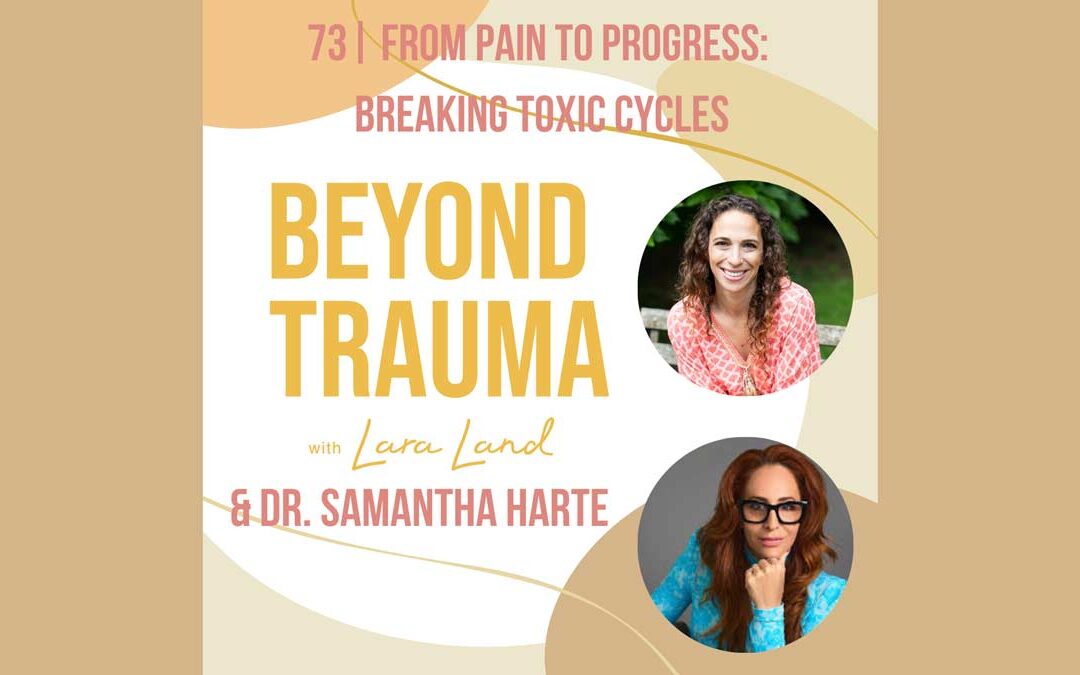
Dr. Harte’s insights are invaluable for anyone navigating their own trauma recovery journey or supporting others through theirs. To dive deeper into her work, take a listen to the latest episode of the Beyond Trauma podcast where we discuss her long-term approach to trauma recovery. Healing from trauma isn’t about erasing the past; it’s about rewriting the future. And with leaders like Dr. Samantha Harte guiding the way, that future looks brighter than ever.
Bridging Polyvagal Theory and Therapeutic Yoga for Trauma Recovery

Bridging Polyvagal Theory and Therapeutic Yoga for Trauma Recovery

Dr. Arielle Schwartz is a clinical psychologist, somatic therapist, and renowned expert in trauma recovery.

Her groundbreaking work synthesizes the latest research in polyvagal theory with the healing potential of therapeutic yoga, offering a holistic approach to supporting trauma survivors. By integrating mind, body, and nervous system regulation, Dr. Schwartz’s work has become a beacon for those seeking transformative healing.

Polyvagal Theory: A Foundation for Healing

Developed by Dr. Stephen Porges, polyvagal theory explores how the autonomic nervous system (ANS) governs our responses to stress, safety, and connection. Central to this theory is the vagus nerve, which acts as a communication highway between the brain and body. According to polyvagal theory, trauma can dysregulate the nervous system, leaving individuals stuck in states of fight, flight, or freeze.

Dr. Schwartz’s work emphasizes the importance of restoring balance to the ANS. By understanding how the nervous system operates, individuals can cultivate a sense of safety, resilience, and connection. Her application of polyvagal theory to therapeutic yoga offers a practical and accessible pathway to achieve this balance.

Therapeutic Yoga and Trauma Recovery

Yoga has long been recognized as a powerful tool for trauma recovery, offering benefits such as improved self-awareness, emotional regulation, and physical healing. However, not all yoga practices are trauma-sensitive. Dr. Schwartz’s approach ensures that yoga is practiced in a way that aligns with the principles of polyvagal theory, prioritizing safety and empowerment.

Key Elements of Dr. Schwartz’s Approach:

  1. Creating a Safe Environment Safety is the foundation of trauma recovery. Dr. Schwartz emphasizes creating a supportive and nonjudgmental space for yoga practice. This includes inviting participants to move at their own pace, use props for support, and take breaks when needed.
  2. Engaging the Vagus Nerve Dr. Schwartz incorporates yoga practices that specifically stimulate the vagus nerve, such as deep diaphragmatic breathing, gentle asanas, and mindful movement. These techniques help activate the parasympathetic “rest-and-digest” state, counteracting the effects of chronic stress and trauma.
  3. Fostering Connection and Co-Regulation Trauma often isolates individuals, disrupting their ability to connect with others. Dr. Schwartz’s methods integrate partner yoga, eye contact, and shared experiences to promote co-regulation—the process of calming the nervous system through safe and supportive relationships.
  4. Empowering Choice and Autonomy A hallmark of trauma-sensitive yoga is the emphasis on choice. Dr. Schwartz encourages participants to listen to their bodies and make choices that feel right for them. This approach fosters a sense of agency, which is crucial for trauma recovery.
  5. Cultivating Resilience Through practices that alternate between states of activation and relaxation, Dr. Schwartz helps individuals build nervous system resilience. This pendulation mirrors the natural rhythms of the ANS and supports the integration of traumatic experiences.

The Role of Education and Advocacy

Dr. Schwartz’s impact extends beyond her therapeutic practice. She is a prolific author and educator, offering resources and training for therapists, yoga instructors, and trauma survivors. Her books, including The Complex PTSD Workbook and The Post-Traumatic Growth Guidebook, are invaluable tools for understanding and applying trauma-informed care.

Through workshops, online courses, and collaborations, Dr. Schwartz empowers professionals to integrate polyvagal theory and therapeutic yoga into their work. Her advocacy has helped shape the conversation around trauma recovery, emphasizing the importance of body-based practices in conjunction with traditional talk therapy.

A Holistic Path to Healing

Dr. Arielle Schwartz’s integration of polyvagal theory and therapeutic yoga represents a paradigm shift in trauma recovery. By addressing the physiological, emotional, and relational aspects of healing, her work offers a comprehensive approach to supporting survivors on their journey to resilience and growth.

For anyone navigating the complexities of trauma recovery, Dr. Schwartz’s insights provide hope and actionable strategies. 

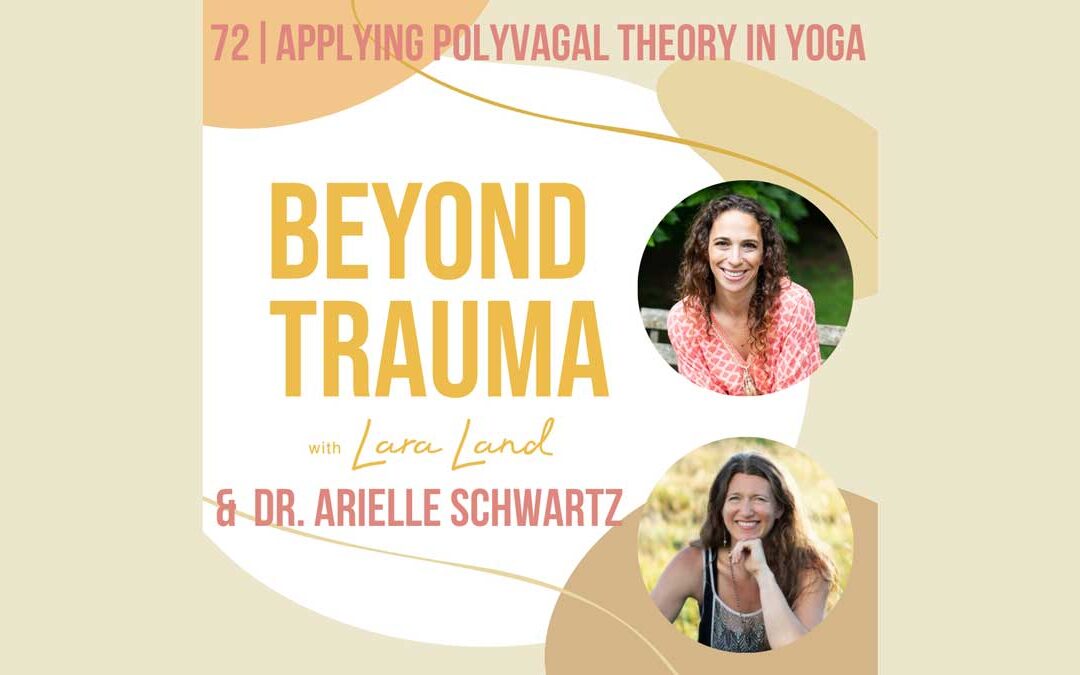
Take a listen to Arielle on this week’s episode of the Beyond Trauma Podcast where she shares stories of healing she initiated through her approach and provides some simple 2-minute exercises we can all do at home to regulate our nervous systems.Â