AUTHOR OF MY BLISS BOOK & THE ESSENTIAL GUIDE TO TRAUMA SENSITIVE YOGA

Lara Land New Logo 2022

AUTHOR OF MY BLISS BOOK &
THE ESSENTIAL GUIDE TO TRAUMA SENSITIVE YOGA

Lara Land New Logo 2022
Breaking the Circuit: The Transformative Work of Dr. Samantha Harte

Breaking the Circuit: The Transformative Work of Dr. Samantha Harte

Trauma has a way of shaping lives in profound and often invisible ways. It rewires our brains, influences our behaviors, and impacts how we connect with others.

But what if there were a way to “break the circuit” of trauma’s grip and pave a path toward healing? Enter Dr. Samantha Harte, an expert in trauma recovery and the author of the groundbreaking book Breaking the Circuit. Through her work, Dr. Harte has become a beacon of hope for individuals seeking to understand and overcome the lasting effects of trauma.

The Mission Behind Breaking the Circuit

Dr. Harte’s book, Breaking the Circuit, offers readers a powerful framework for recognizing and interrupting the cyclical patterns of trauma. Drawing from her extensive experience as a clinician and researcher, she combines scientific insights with real-life stories to illuminate how trauma operates and how it can be dismantled. Her work focuses on equipping individuals with the tools to break free from the repetitive cycles that keep them stuck—emotionally, mentally, and physically.

At the heart of Dr. Harte’s approach is the idea that healing is not linear, but rather a journey marked by self-awareness, community support, and actionable strategies. She emphasizes the importance of addressing both the psychological and somatic aspects of trauma, helping individuals reconnect with their bodies and find safety within themselves.

Innovative Approaches to Trauma Healing

One of the most compelling aspects of Dr. Harte’s work is her ability to bridge cutting-edge research with accessible practices. She highlights the role of neuroplasticity—the brain’s capacity to change—in healing from trauma. Through mindfulness exercises, somatic therapies, and practical techniques outlined in her book, she empowers individuals to rewire their thought patterns and reclaim their sense of agency.

Dr. Harte also brings attention to the often-overlooked cultural and societal dimensions of trauma. She explores how systemic inequities and collective experiences influence personal healing journeys, urging practitioners and individuals alike to consider these broader contexts.

Join the Conversation

Dr. Harte’s insights are invaluable for anyone navigating their own trauma recovery journey or supporting others through theirs. To dive deeper into her work, take a listen to the latest episode of the Beyond Trauma podcast where we discuss her long-term approach to trauma recovery. Healing from trauma isn’t about erasing the past; it’s about rewriting the future. And with leaders like Dr. Samantha Harte guiding the way, that future looks brighter than ever.
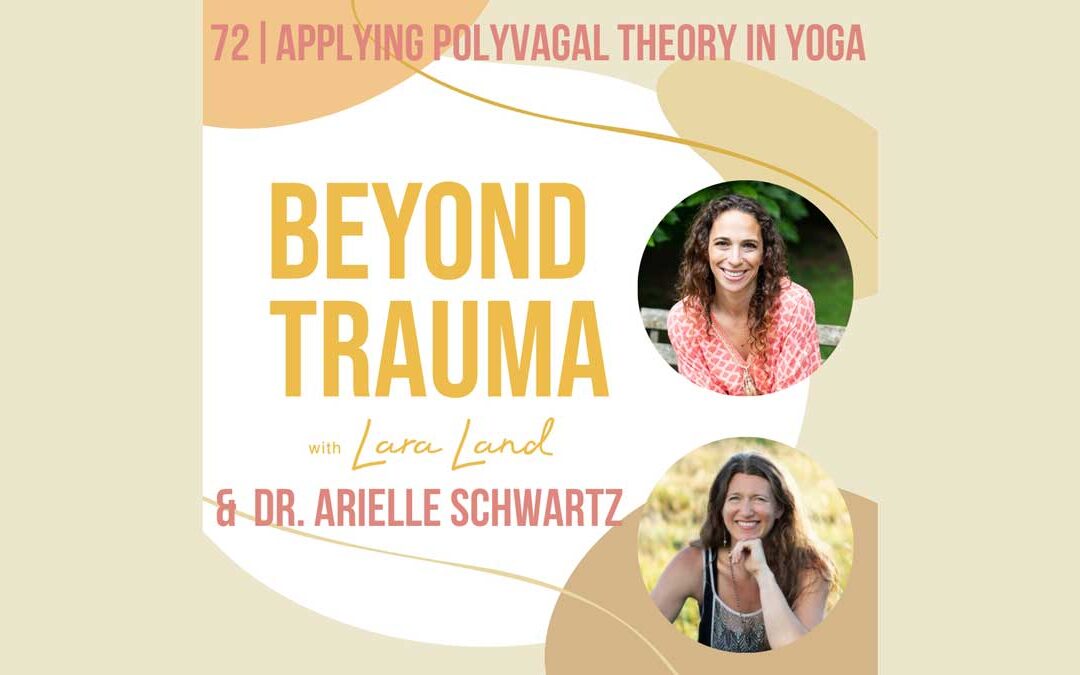
Bridging Polyvagal Theory and Therapeutic Yoga for Trauma Recovery

Bridging Polyvagal Theory and Therapeutic Yoga for Trauma Recovery

Dr. Arielle Schwartz is a clinical psychologist, somatic therapist, and renowned expert in trauma recovery.

Her groundbreaking work synthesizes the latest research in polyvagal theory with the healing potential of therapeutic yoga, offering a holistic approach to supporting trauma survivors. By integrating mind, body, and nervous system regulation, Dr. Schwartz’s work has become a beacon for those seeking transformative healing.

Polyvagal Theory: A Foundation for Healing

Developed by Dr. Stephen Porges, polyvagal theory explores how the autonomic nervous system (ANS) governs our responses to stress, safety, and connection. Central to this theory is the vagus nerve, which acts as a communication highway between the brain and body. According to polyvagal theory, trauma can dysregulate the nervous system, leaving individuals stuck in states of fight, flight, or freeze.

Dr. Schwartz’s work emphasizes the importance of restoring balance to the ANS. By understanding how the nervous system operates, individuals can cultivate a sense of safety, resilience, and connection. Her application of polyvagal theory to therapeutic yoga offers a practical and accessible pathway to achieve this balance.

Therapeutic Yoga and Trauma Recovery

Yoga has long been recognized as a powerful tool for trauma recovery, offering benefits such as improved self-awareness, emotional regulation, and physical healing. However, not all yoga practices are trauma-sensitive. Dr. Schwartz’s approach ensures that yoga is practiced in a way that aligns with the principles of polyvagal theory, prioritizing safety and empowerment.

Key Elements of Dr. Schwartz’s Approach:

  1. Creating a Safe Environment Safety is the foundation of trauma recovery. Dr. Schwartz emphasizes creating a supportive and nonjudgmental space for yoga practice. This includes inviting participants to move at their own pace, use props for support, and take breaks when needed.
  2. Engaging the Vagus Nerve Dr. Schwartz incorporates yoga practices that specifically stimulate the vagus nerve, such as deep diaphragmatic breathing, gentle asanas, and mindful movement. These techniques help activate the parasympathetic “rest-and-digest” state, counteracting the effects of chronic stress and trauma.
  3. Fostering Connection and Co-Regulation Trauma often isolates individuals, disrupting their ability to connect with others. Dr. Schwartz’s methods integrate partner yoga, eye contact, and shared experiences to promote co-regulation—the process of calming the nervous system through safe and supportive relationships.
  4. Empowering Choice and Autonomy A hallmark of trauma-sensitive yoga is the emphasis on choice. Dr. Schwartz encourages participants to listen to their bodies and make choices that feel right for them. This approach fosters a sense of agency, which is crucial for trauma recovery.
  5. Cultivating Resilience Through practices that alternate between states of activation and relaxation, Dr. Schwartz helps individuals build nervous system resilience. This pendulation mirrors the natural rhythms of the ANS and supports the integration of traumatic experiences.

The Role of Education and Advocacy

Dr. Schwartz’s impact extends beyond her therapeutic practice. She is a prolific author and educator, offering resources and training for therapists, yoga instructors, and trauma survivors. Her books, including The Complex PTSD Workbook and The Post-Traumatic Growth Guidebook, are invaluable tools for understanding and applying trauma-informed care.

Through workshops, online courses, and collaborations, Dr. Schwartz empowers professionals to integrate polyvagal theory and therapeutic yoga into their work. Her advocacy has helped shape the conversation around trauma recovery, emphasizing the importance of body-based practices in conjunction with traditional talk therapy.

A Holistic Path to Healing

Dr. Arielle Schwartz’s integration of polyvagal theory and therapeutic yoga represents a paradigm shift in trauma recovery. By addressing the physiological, emotional, and relational aspects of healing, her work offers a comprehensive approach to supporting survivors on their journey to resilience and growth.

For anyone navigating the complexities of trauma recovery, Dr. Schwartz’s insights provide hope and actionable strategies. 

Take a listen to Arielle on this week’s episode of the Beyond Trauma Podcast where she shares stories of healing she initiated through her approach and provides some simple 2-minute exercises we can all do at home to regulate our nervous systems. 

Trauma-Sensitive Mindfulness

Trauma-Sensitive Mindfulness

In recent years, mindfulness has become a cornerstone of personal development, mental health practices, and trauma recovery.

However, as mindfulness practices became mainstream, concerns arose about their unintended consequences for trauma survivors. This is where the pioneering work of David Treleaven, Ph.D., comes in. Treleaven, a leading voice in the field, has made significant contributions to what is now called trauma-sensitive mindfulness (TSM).

The Need for Trauma-Sensitive Mindfulness

Mindfulness practices often emphasize turning inward and focusing on the present moment. While this approach has undeniable benefits, it can also inadvertently trigger trauma responses in some individuals. Survivors of trauma may find themselves overwhelmed by memories, sensations, or emotions that resurface during mindfulness exercises. These experiences can re-traumatize individuals, reinforcing the very patterns of fear and avoidance mindfulness seeks to alleviate.

Recognizing these potential pitfalls, Treleaven asked an important question: How can mindfulness be adapted to ensure it’s safe and beneficial for trauma survivors? His work bridges the gap between mindfulness and trauma theory, creating a framework that acknowledges and accommodates the needs of trauma-affected individuals.

Key Contributions of David Treleaven

1. The Book: “Trauma-Sensitive Mindfulness”

Treleaven’s book, Trauma-Sensitive Mindfulness: Practices for Safe and Transformative Healing, has become a foundational resource for mindfulness practitioners, therapists, and trauma professionals. In it, he outlines the risks of traditional mindfulness approaches for trauma survivors and provides practical guidelines to mitigate these risks.

Central to the book is Treleaven’s five principles of trauma-sensitive mindfulness:

  1. Body Awareness: Encouraging practitioners to be mindful of physical sensations without becoming overwhelmed.
  2. Choice: Empowering individuals to make choices about how they engage with mindfulness practices.
  3. Stability: Prioritizing grounding and stability over intense emotional exploration.
  4. Connection: Emphasizing relational safety and support.
  5. Building Resilience: Supporting individuals in pacing their healing journey.

2. Integrating Somatic Practices

Treleaven’s work is informed by somatic psychology, which focuses on the body’s role in processing trauma. He advocates for practices that help individuals develop interoceptive awareness—the ability to sense and understand internal bodily states—without becoming dysregulated. By incorporating somatic techniques, Treleaven helps practitioners create a more grounded and embodied mindfulness experience.

3. Training and Education

Beyond his writing, Treleaven offers training programs for mindfulness teachers, therapists, and healthcare professionals. These programs provide in-depth guidance on how to adapt mindfulness practices to support trauma survivors effectively. Through workshops, online courses, and consulting, Treleaven has trained thousands of professionals worldwide, amplifying the reach of trauma-sensitive mindfulness.

Use Code: Lara for a $400 savings on David’s Two-Part Comprehensive Program

4. Collaboration with Trauma Experts

Treleaven has collaborated with leaders in trauma research, including Bessel van der Kolk and Peter Levine, to integrate cutting-edge trauma theory into mindfulness practices. By grounding his work in research and interdisciplinary collaboration, Treleaven has established trauma-sensitive mindfulness as a rigorous and credible approach.

Why Trauma-Sensitive Mindfulness Matters

Trauma-sensitive mindfulness acknowledges that healing from trauma is not a one-size-fits-all process. It invites practitioners to meet individuals where they are, creating a safe container for exploration and growth. This approach not only prevents harm but also enhances the transformative potential of mindfulness for trauma survivors.

Treleaven’s work is a reminder that mindfulness, when practiced with awareness and care, can be a powerful tool for healing. By addressing the unique needs of trauma survivors, he has expanded the accessibility and inclusivity of mindfulness, ensuring it can truly serve everyone.

Looking Ahead

As the field of mindfulness continues to evolve, David Treleaven’s contributions remain a guiding light. His emphasis on safety, choice, and empowerment has reshaped how mindfulness is taught and practiced, setting a new standard for trauma-informed care. 

His self-paced course in trauma-sensitive mindfulness offers lifetime access to over 35 hours of video training content, plus pdf’s to review what you have learned. Take $400 off with code Lara when you check out. 

Learn more about David Treleaven on this week’s episode of Beyond Trauma. 

Raw and Real: Exploring Rage Prayers

Raw and Real: Exploring Rage Prayers

In a world where women are often told to “stay positive” and suppress their anger, Elizabeth Riley’s work feels like a breath of fresh air—or perhaps, a cathartic scream.

As the author of Rage Prayers, Elizabeth invites us to explore the raw, messy, and profoundly healing act of authentic prayer. Her book is more than just a collection of prayers; it’s a clarion call for women to reclaim their voices, their rage, and their right to heal in community.

In the latest Beyond Trauma podcast episode, Raw and Real: Rage Prayers and the Power of Honest Healing, Elizabeth and I dive into the transformative ideas behind her work. We explore the messy and sacred terrain of finding community to heal, the liberating practice of authentic prayer, and the insidious ways toxic positivity has been weaponized against women.

Why Rage Prayers Matter

Elizabeth’s approach to prayer is unlike anything you’ve encountered before. She rejects the polished, performative prayers many of us grew up with and instead embraces the kind of honest communication with the divine that makes space for anger, grief, and even doubt. Her work empowers readers to bring their full selves to their spiritual practices, creating a profound sense of liberation and connection.

In her words, “Prayer isn’t about perfection; it’s about presence.” By giving ourselves permission to rage, cry, and lament, we deepen our relationship with the divine and with ourselves.

Healing Through Community

Elizabeth also emphasizes the importance of community in the healing process. Healing in isolation can feel impossible, especially when society encourages women to keep their pain hidden. Elizabeth shares how finding spaces of mutual support and shared vulnerability allows us to process our emotions authentically.

Our conversation highlights how community provides a mirror for our experiences, reminding us that we’re not alone in our struggles. Together, we explore ways to create and sustain these vital support systems.

Reclaiming Prayer from Toxic Positivity

Toxic positivity—a culture of enforced optimism that dismisses difficult emotions—can be especially harmful to women. Elizabeth challenges this mindset head-on, exposing how it silences women and minimizes their lived experiences. Instead, she advocates for a spiritual practice that honors the full spectrum of human emotion, from joy to rage and everything in between.

What You’ll Take Away from the Episode

In Raw and Real: Rage Prayers and the Power of Honest Healing, Elizabeth offers listeners practical insights and deeply personal reflections. Whether you’re looking to deepen your prayer practice, find a community to support your healing journey, or simply feel seen and understood, this episode will resonate with you.

Join Us in the Conversation

Don’t miss this powerful episode! Elizabeth Riley’s work is a testament to the strength and beauty of authentic, messy prayer—and to the healing that comes when we stop silencing ourselves and start showing up, fully and honestly.

Understanding the Role of a Death Doula: The Pioneering Work of Henry Fersko-Weiss

Understanding the Role of a Death Doula: The Pioneering Work of Henry Fersko-Weiss

In a society where conversations about death are often avoided, the role of a death doula stands out as a beacon of compassion, support, and guidance for those nearing the end of life. This relatively new but profoundly impactful profession has been significantly shaped by pioneers like Henry Fersko-Weiss, whose dedication and vision have brought dignity and care to the dying process.

What is a Death Doula?

A death doula, also known as an end-of-life doula, is a trained professional who provides holistic support to individuals and their families as they navigate the dying process. Unlike traditional medical personnel, death doulas focus on the emotional, spiritual, and practical aspects of dying, ensuring that the experience is as peaceful and meaningful as possible.

The Role and Responsibilities of a Death Doula

  1. Emotional Support: Death doulas offer a compassionate presence, listening to the fears, hopes, and regrets of the dying person. They provide comfort and reassurance, helping individuals to find peace and acceptance.
  2. Spiritual Guidance: Respecting diverse beliefs and practices, death doulas assist in addressing spiritual concerns, facilitating rituals, and creating a sacred space for the dying process.
  3. Practical Assistance: From helping with advance directives to coordinating care, death doulas manage practical tasks that alleviate the burden on the dying person and their loved ones.
  4. Legacy Projects: They help individuals create meaningful legacies, such as writing letters, recording memories, or making art, which can be cherished by loved ones.
  5. Family Support: Death doulas provide guidance and emotional support to family members, helping them cope with their grief and ensuring they feel included in the process.

Henry Fersko-Weiss: A Visionary in End-of-Life Care

Henry Fersko-Weiss is a pioneering figure in the death doula movement. As a licensed clinical social worker and the co-founder of the International End of Life Doula Association (INELDA), he has dedicated his career to transforming how we approach death and dying.

Key Contributions and Works
  1. Founding INELDA: In 2015, Fersko-Weiss co-founded INELDA, a non-profit organization that provides training, certification, and resources for death doulas. INELDA’s mission is to enhance the end-of-life experience through the compassionate presence and support of trained doulas.
  2. Authoring “Caring for the Dying”: Fersko-Weiss authored “Caring for the Dying: The Doula Approach to a Meaningful Death,” a seminal book that outlines the principles and practices of the death doula profession. The book offers practical advice and personal stories, shedding light on the profound impact doulas can have on the dying process.
  3. Advocacy and Education: Through workshops, seminars, and public speaking, Fersko-Weiss has educated countless individuals and healthcare professionals about the importance of holistic end-of-life care. His advocacy efforts have helped to raise awareness and acceptance of death doulas within the broader community.
  4. Innovative Programs: Fersko-Weiss has developed and implemented innovative end-of-life programs in various healthcare settings, including hospices and hospitals. These programs integrate the doula approach, emphasizing emotional and spiritual care alongside medical treatment.

The Impact of Death Doulas

The presence of a death doula can profoundly impact the dying process, offering a sense of calm, dignity, and meaning. Families often report feeling more supported and less overwhelmed, while individuals facing death can find solace in the presence of someone dedicated to their well-being.

How to Become a Death Doula

For those interested in pursuing this compassionate profession, here are some steps to get started:

  1. Training and Certification: Henry has both inperson and online trainings coming up..
  2. Personal Qualities: Cultivate qualities such as empathy, patience, and active listening. Being present and comfortable with the emotions and experiences of others is crucial.
  3. Continued Education: Engage in ongoing education and self-reflection. The field of end-of-life care is continually evolving, and staying informed about new practices and insights is essential.
  4. Networking and Support: Connect with other death doulas and professionals in the field. Joining organizations like INELDA can provide valuable resources, support, and opportunities for collaboration.

The role of a death doula is a profound calling that brings comfort, peace, and meaning to the dying process. Learn more about becoming or hiring a death doula and Henry Fersko-Weiss’s pioneering work on the latest episode of the Beyond Trauma podcast. Please make sure to write us a review and rating to help us be found in the podcast libraries.