AUTHOR OF MY BLISS BOOK & THE ESSENTIAL GUIDE TO TRAUMA SENSITIVE YOGA

Lara Land New Logo 2022

AUTHOR OF MY BLISS BOOK &
THE ESSENTIAL GUIDE TO TRAUMA SENSITIVE YOGA

Lara Land New Logo 2022
The Unseen Struggle: Trauma Bonding in Yoga Teacher Training Programs

The Unseen Struggle: Trauma Bonding in Yoga Teacher Training Programs

Yoga teacher training programs are designed to be transformative, offering a profound journey into self-discovery and personal growth.

Participants often enter these programs with the intention of deepening their yoga practice and acquiring the skills to share the ancient wisdom of yoga with others. However, beneath the surface of this seemingly harmonious journey lies a potential challenge that is not often discussed – the phenomenon of trauma bonding.

Understanding Trauma Bonding

Trauma bonding refers to a strong emotional connection that develops between individuals who have experienced intense, emotional, and sometimes traumatic situations together. This bond can manifest in various relationships, including those formed during yoga teacher training programs. While the primary focus of these programs is on physical and spiritual development, the intense and immersive nature of the experience can lead to unexpected emotional connections.

The Intensity of Yoga Teacher Training

Yoga teacher training programs are known for their intensity, both physically and emotionally. Participants spend long hours practicing asanas, studying yogic philosophy, and delving into personal introspection. The immersive nature of the training fosters a sense of community and shared experience among participants, creating an environment that is conducive to the development of close connections.

The Role of Vulnerability

Yoga teacher training often encourages participants to open up emotionally and share their personal experiences. This vulnerability can create a sense of camaraderie and trust among participants. However, when individuals share deeply personal and sometimes painful stories, an unintended consequence may occur – the formation of trauma bonds.

Unresolved Trauma and the Yoga Journey

Many individuals turn to yoga as a means of healing from past traumas or dealing with ongoing challenges. Yoga teacher training programs can inadvertently amplify these emotions as participants confront and explore their personal histories. The shared struggle of overcoming emotional obstacles can strengthen the bonds formed during the training, creating a unique and profound connection among participants.

The Dark Side of Bonding

While forming close connections can be a positive aspect of any community, trauma bonding can have a darker side. Individuals may find themselves entangled in unhealthy relationships or dynamics that stem from shared emotional pain. The intensity of the training environment can blur boundaries, making it challenging for participants to distinguish between supportive connections and those born out of shared trauma.

Preventing and Addressing Trauma Bonding

Awareness is the first step in preventing and addressing trauma bonding in yoga teacher training programs. Educators and participants alike must recognize the potential for intense emotional connections and be mindful of the impact of shared vulnerability. Establishing clear boundaries, fostering open communication, and creating a supportive environment for participants to process their emotions are essential in mitigating the risks associated with trauma bonding.

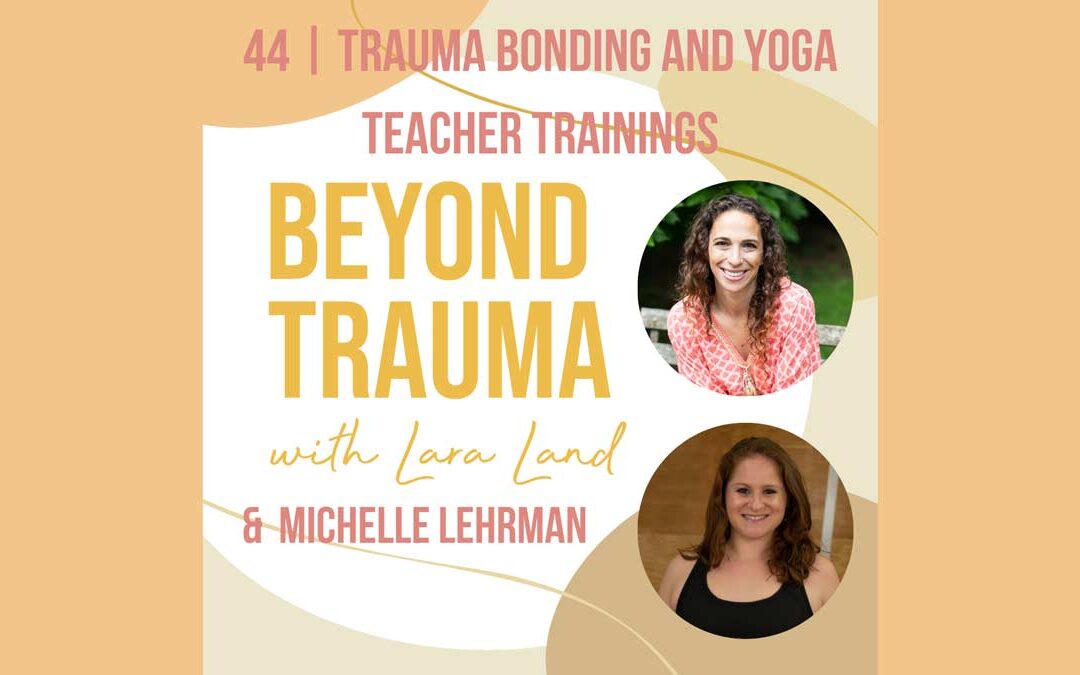
Awareness and prevention are the motivations behind the most recent episode of the Beyond Trauma podcast where I spoke to Michelle Lehrman about her trauma inducing experience in a yoga teacher training program (YTT). We cover: Trauma bonding and forced sharing

  • Scripted sequencing
  • Learning and memorizing methodology
  • Non-consensual hands-on assisting
  • Changing goal posts

as well as other topics and discuss how the trauma informed yoga teacher training program at Three and a Half Acres yoga overrides and addresses the issues with many yoga teacher training programs today. The next YTT at Three and a Half Acres Yoga is coming up this February. For more information visit them at www.threeandahalfacres.org

Creating Safe Spaces: The Importance of Trauma-Sensitive Schools

Creating Safe Spaces: The Importance of Trauma-Sensitive Schools

In the intricate tapestry of human relationships, the concept of trauma bonding stands out as a complex and often misunderstood phenomenon.

Rooted in shared experiences of adversity, trauma bonding creates powerful emotional connections between individuals who have endured difficult or traumatic situations together. This blog explores the dynamics of trauma bonding, its psychological underpinnings, and offers insights into breaking free from its grip.

Defining Trauma Bonding

Trauma bonding refers to the intense emotional connection formed between individuals who have experienced challenging, distressing, or traumatic events together. These bonds can arise in various relationships, including familial, romantic, or even within tightly-knit communities. The shared struggle creates a unique connection, binding individuals through a shared history of pain.

The Psychological Mechanism

At its core, trauma bonding is deeply rooted in the psychological mechanisms of attachment and survival. When individuals face adversity together, a powerful bond forms as a coping mechanism. This bond becomes a source of comfort and support, even in situations where the relationship itself may be unhealthy or toxic. The brain, in an attempt to survive and find solace, strengthens the connection between those who have faced trauma side by side.

Common Scenarios of Trauma Bonding

  • Abusive Relationships: Trauma bonding is often observed in abusive relationships where the victim forms a strong emotional connection with the perpetrator. The cyclical nature of abuse, with moments of kindness following episodes of harm, reinforces the bond.
  • Hostage Situations: Individuals taken hostage or held captive can develop trauma bonds with their captors. The shared experience of fear and vulnerability can create a bond as a survival strategy.
  • Childhood Abuse: Children who experience abuse within their families may form trauma bonds with their abusive caregivers. The attachment to the abuser can persist into adulthood, impacting future relationships.

Breaking Free from Trauma Bonds

Recognizing and addressing trauma bonding is a crucial step toward breaking free from its influence. Here are some strategies for individuals seeking to overcome trauma bonds:

  • Self-awareness: Acknowledge and understand the dynamics of the trauma bond. Recognizing the pattern is the first step towards breaking free.
  • Seek Professional Help: Trauma bonding can be deeply ingrained, and seeking the guidance of a therapist or counselor can provide valuable insights and coping mechanisms.
  • Establish Boundaries: Creating and maintaining healthy boundaries is essential. This involves recognizing when a relationship is harmful and taking steps to protect oneself.
  • Build a Support System: Cultivate connections with friends, family, or support groups who can provide healthy emotional support. Developing positive relationships can counterbalance the impact of trauma bonds.
  • Self-Compassion: Understand that breaking free from trauma bonds is a process that takes time. Be patient with yourself and practice self-compassion as you navigate the journey toward healing.

Trauma bonding is a complex and challenging aspect of human psychology, impacting individuals in various relationships and situations. By fostering self-awareness, seeking professional help, and cultivating healthy connections, individuals can break free from the chains of trauma bonding and embark on a path toward healing and resilience. Remember, the journey toward breaking these bonds is an empowering step towards reclaiming one’s emotional well-being.